01 From simulation to the cab
From the design desk to the driver’s cab.
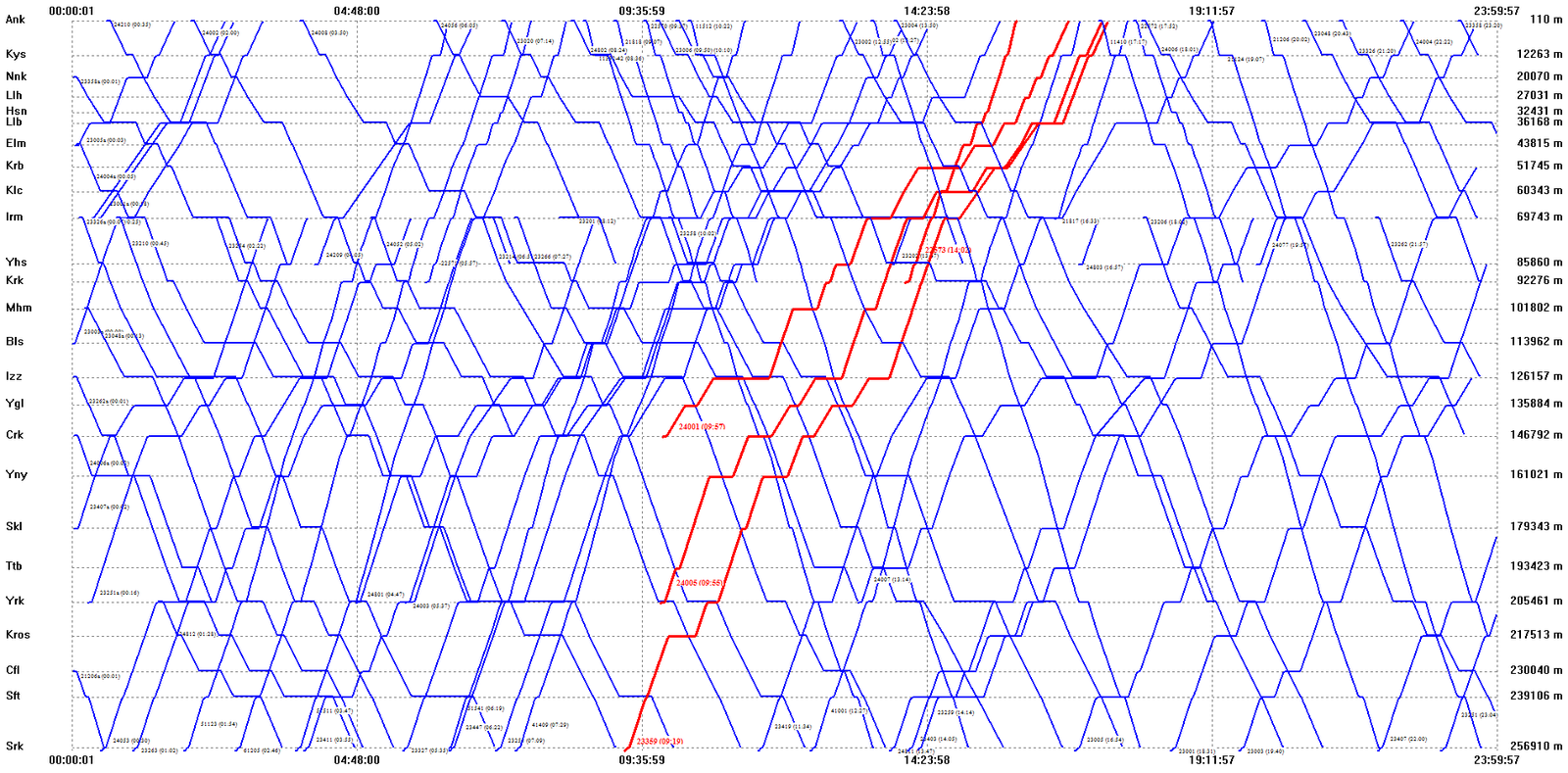
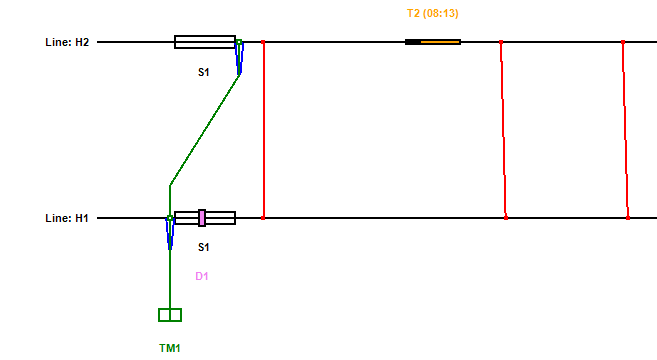
Four products, one body of engineering: Hi-SimuX and SimuX for line and system design, Hi-SimTrain and HISIMDAS for energy efficiency in operation.
1 · Design
Verify the system
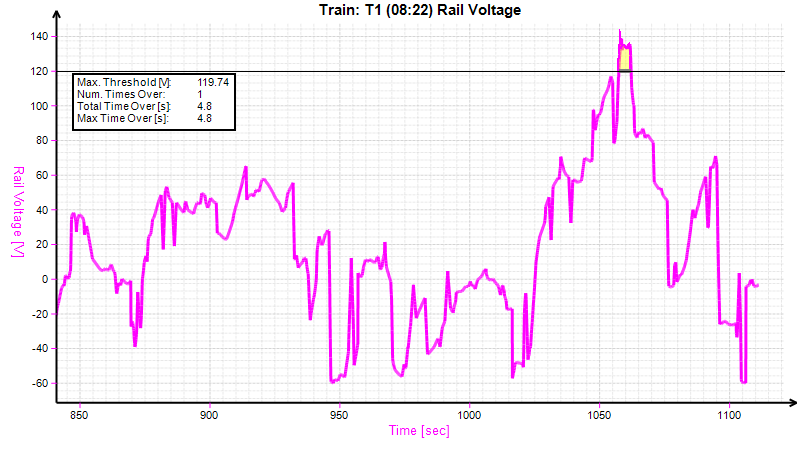
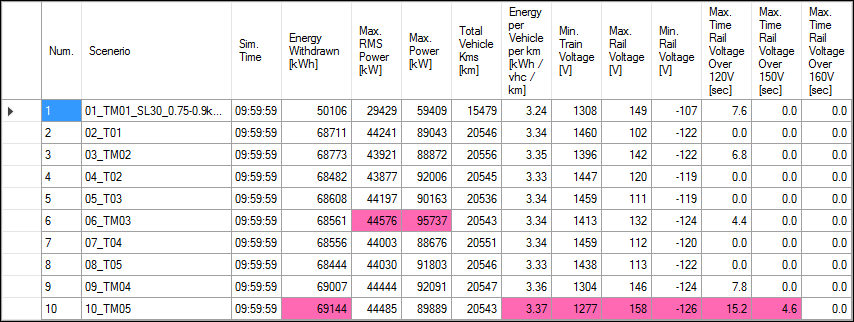
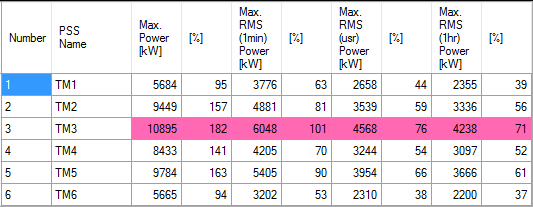
Unlike many simulation tools, SimuX and Hi-SimuX solve train performance and electrical load flow together at every time step. When the pantograph voltage drops, the train’s tractive effort and acceleration fall, its power demand falls with them, and the voltage sag stops getting worse.
2 · Planning
Optimize the trip
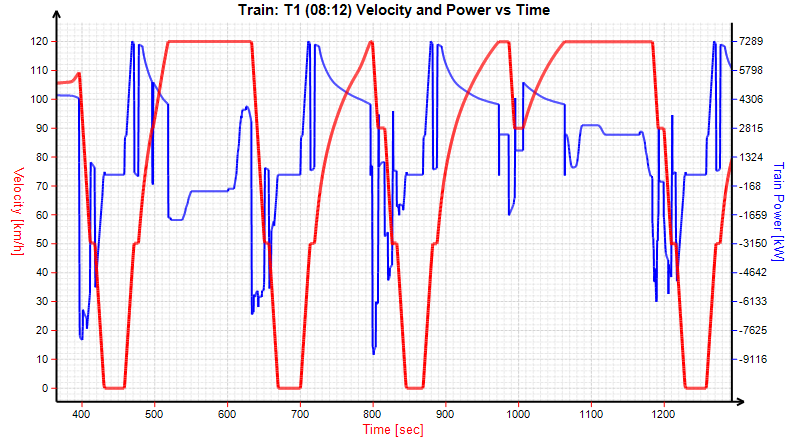
For each station-to-station section, the lowest-energy coasting window within a target time; automatic or drawn on the chart, over a whole line. In a published Hi-SimuX example, energy on a 14.5 km section fell from 175.87 kWh to 69.17 kWh.
- All-out
- 175.87kWh
- Eco-driving
- 69.17kWh
- Difference
- −60.1%
3 · Operation
Apply in the cab
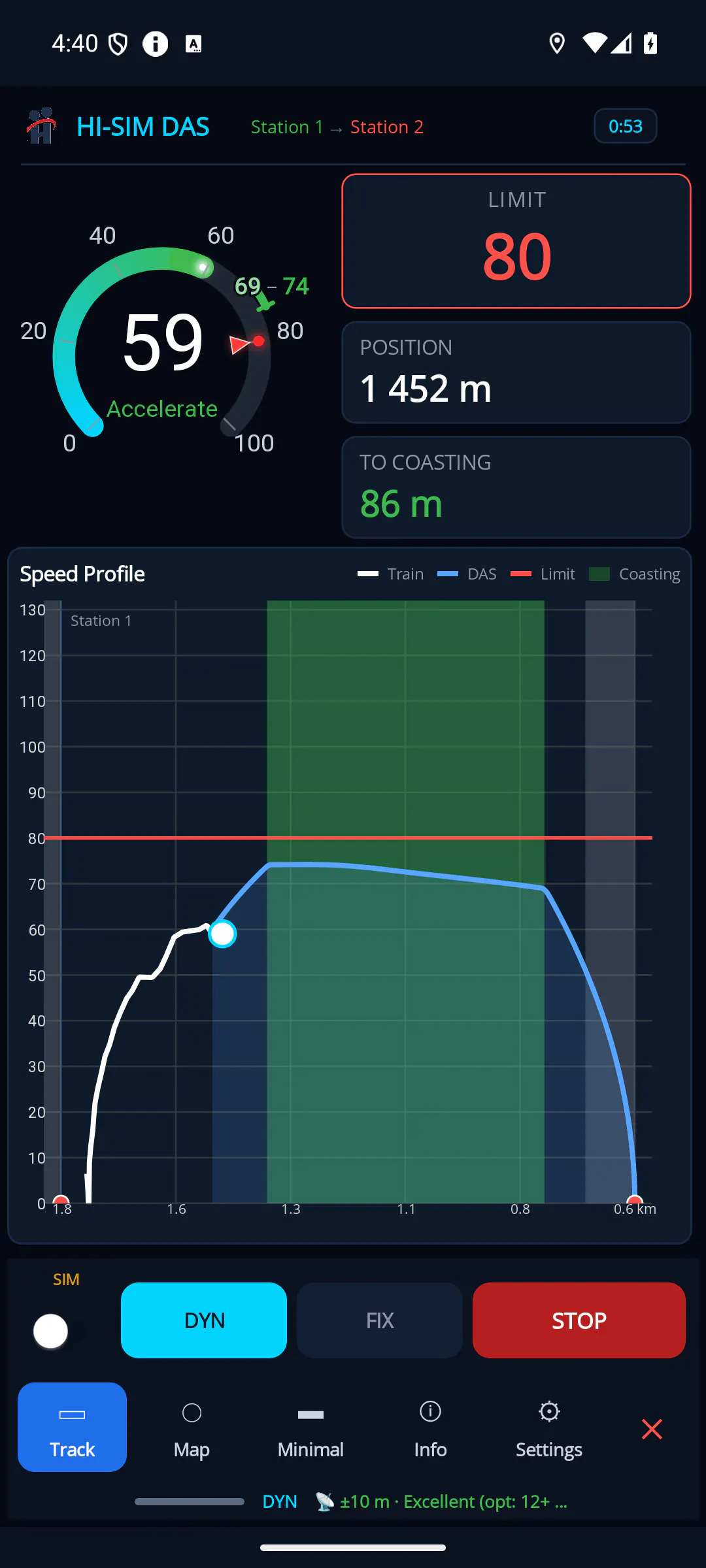
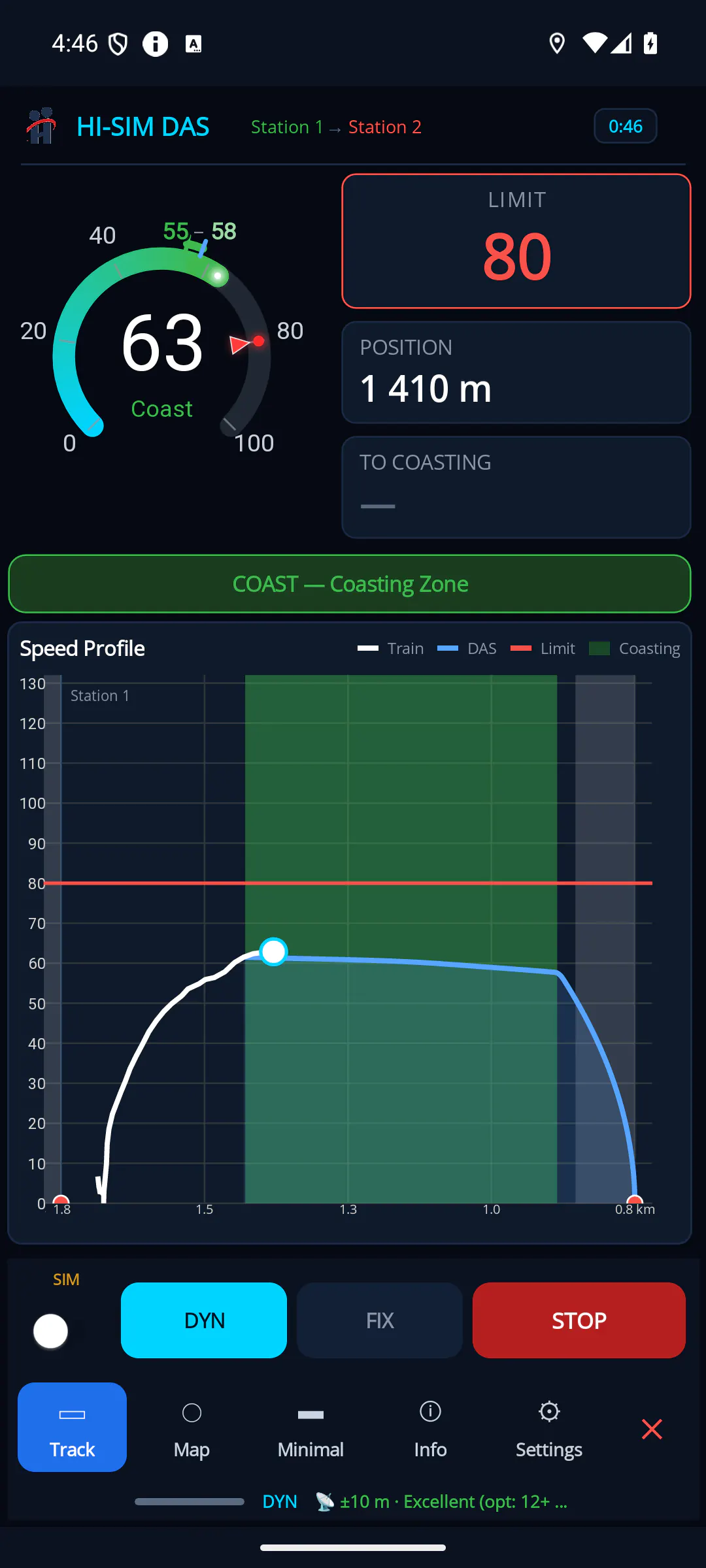
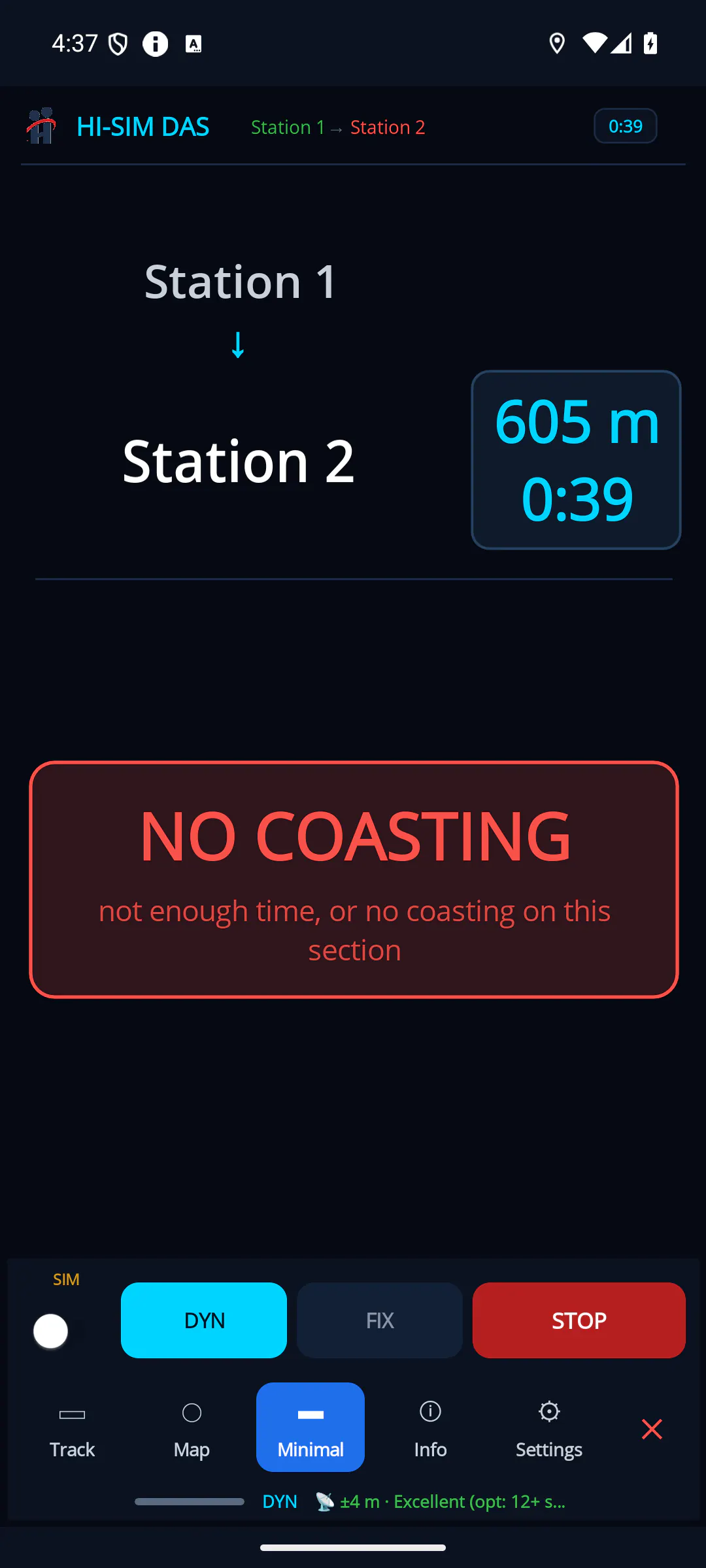
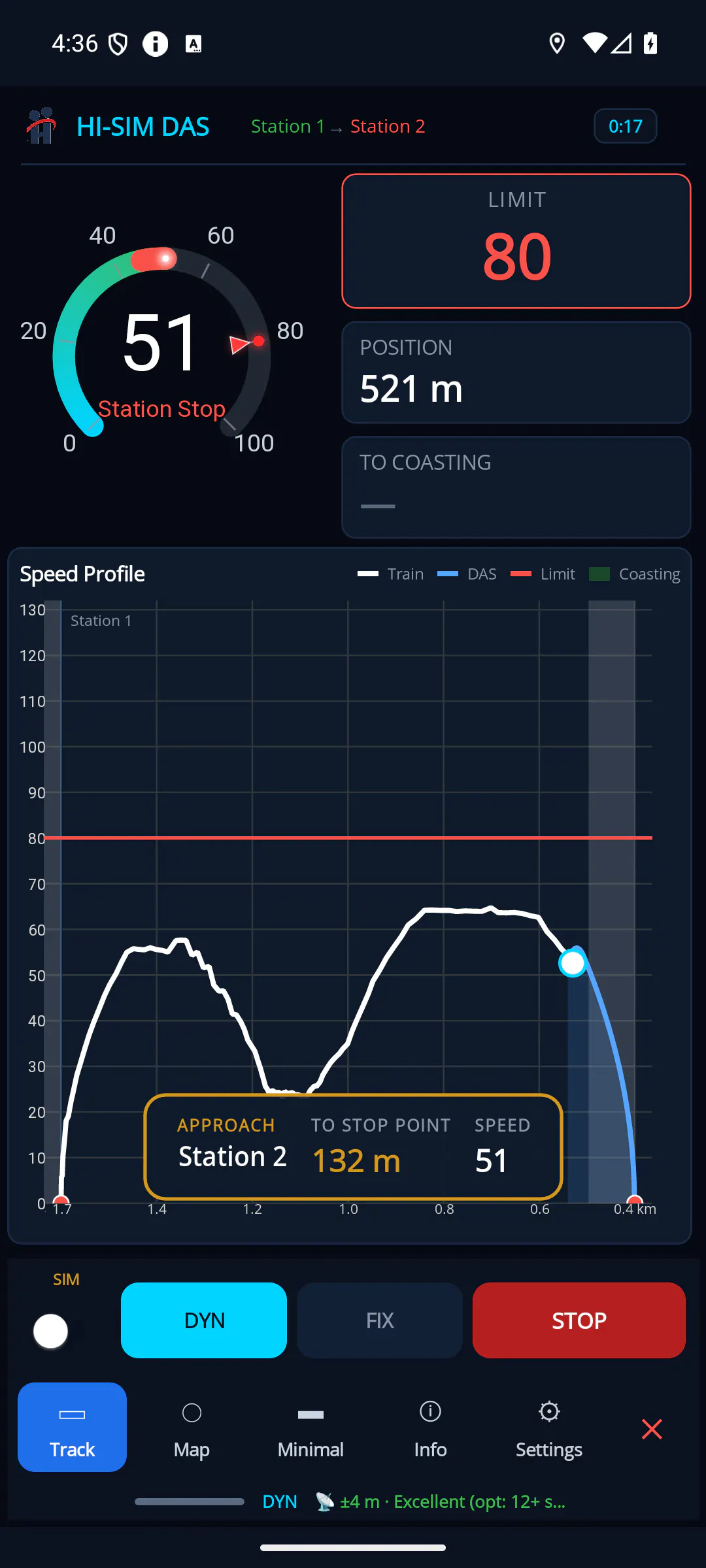
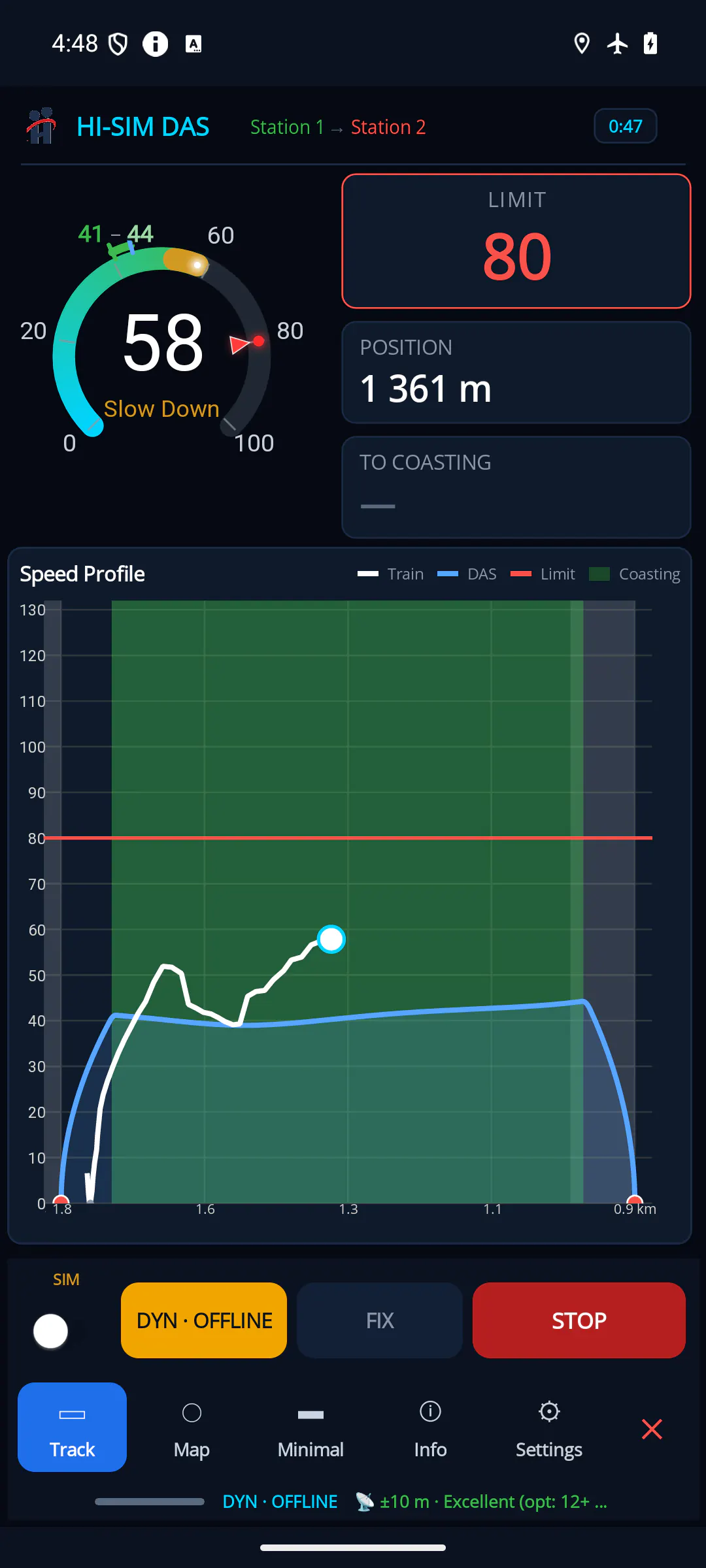
HISIMDAS gives drivers real-time eco-driving advice throughout the trip: where coasting should start and end, and the target speeds. Position and speed come from the device’s GNSS receiver and motion sensors; no extra on-board hardware is needed.
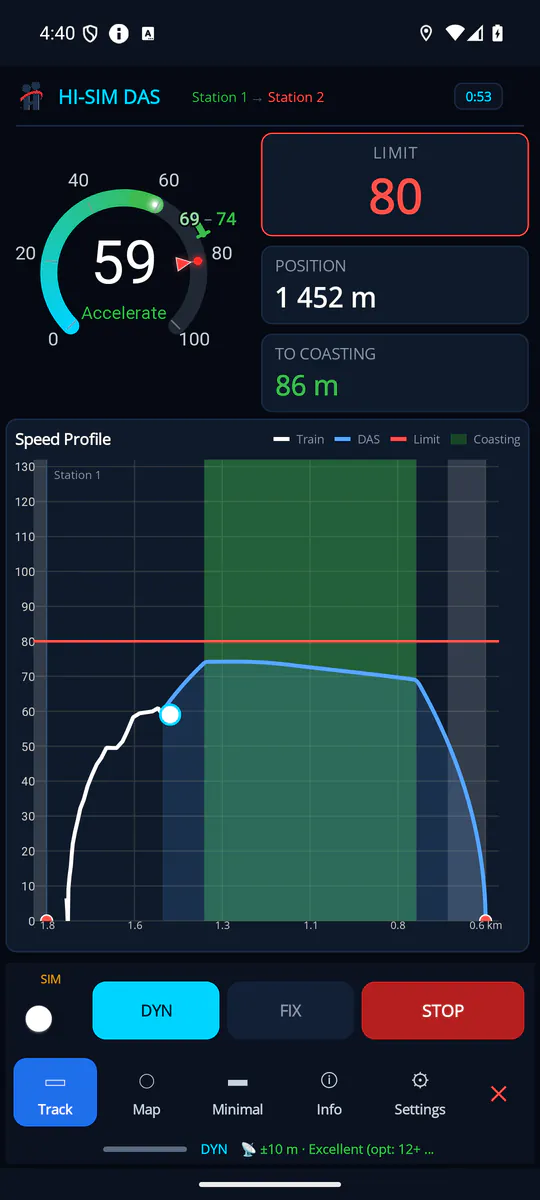
Track · ACCELERATE speed profile, limit and the green coasting band 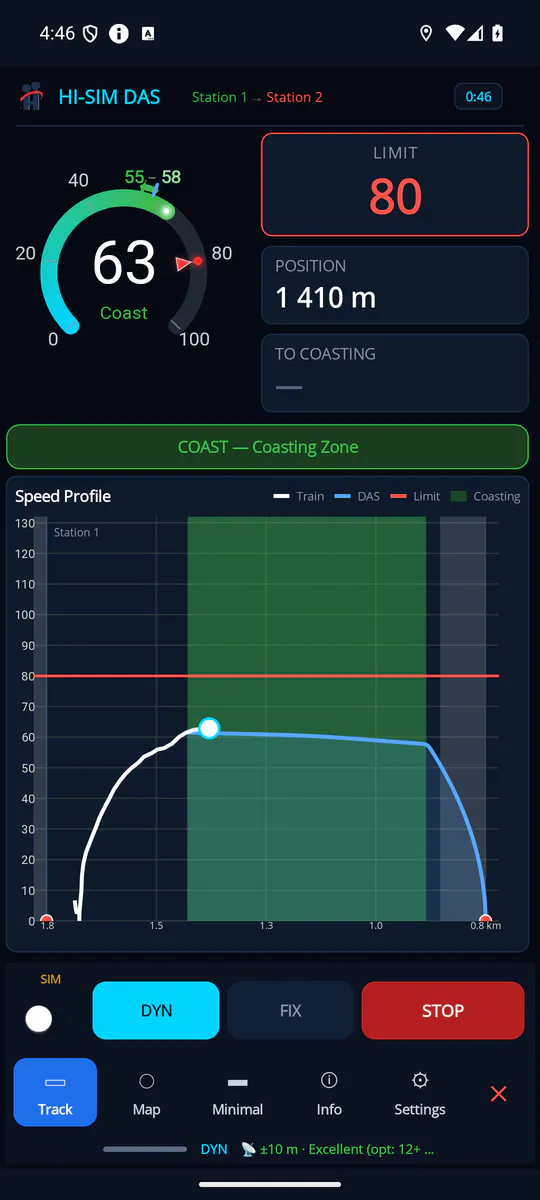
Track · COAST the coasting-zone banner 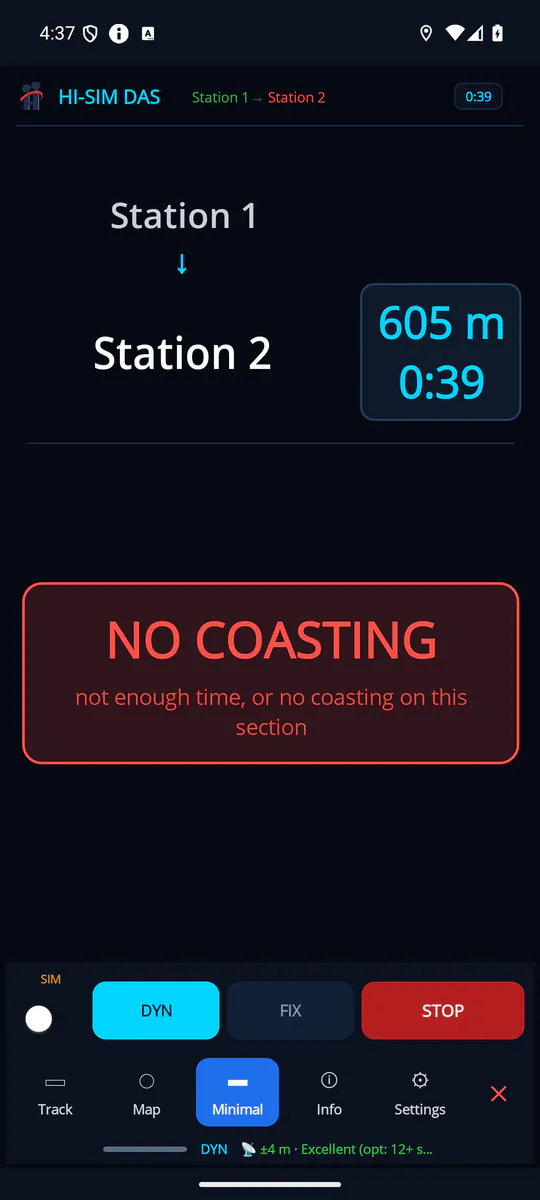
Minimal 2 next station, remaining distance and time; the NO COASTING card 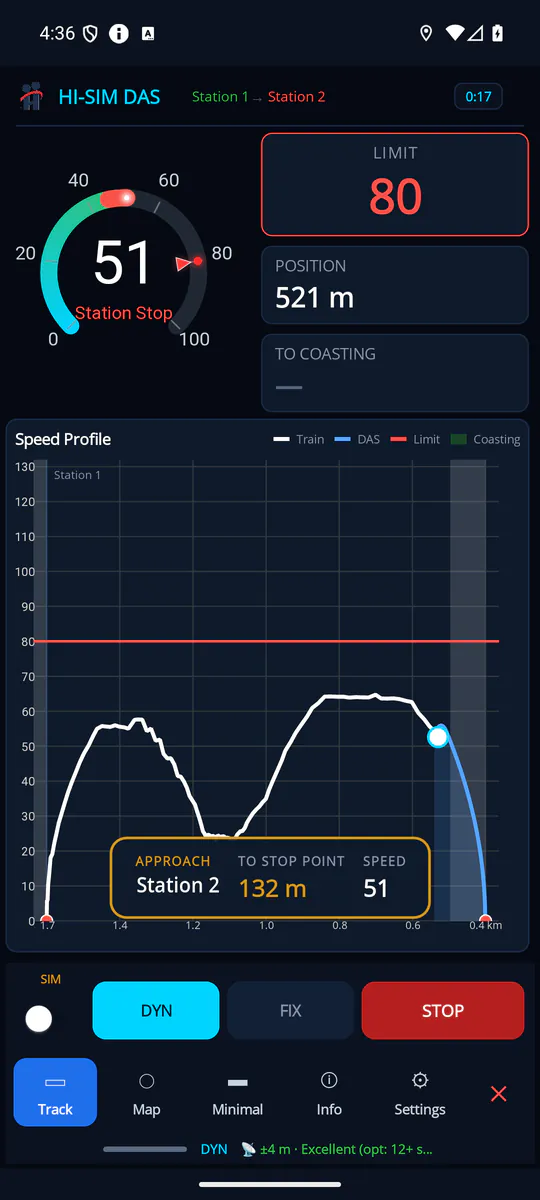
Track · STATION STOP distance and speed to the stop point 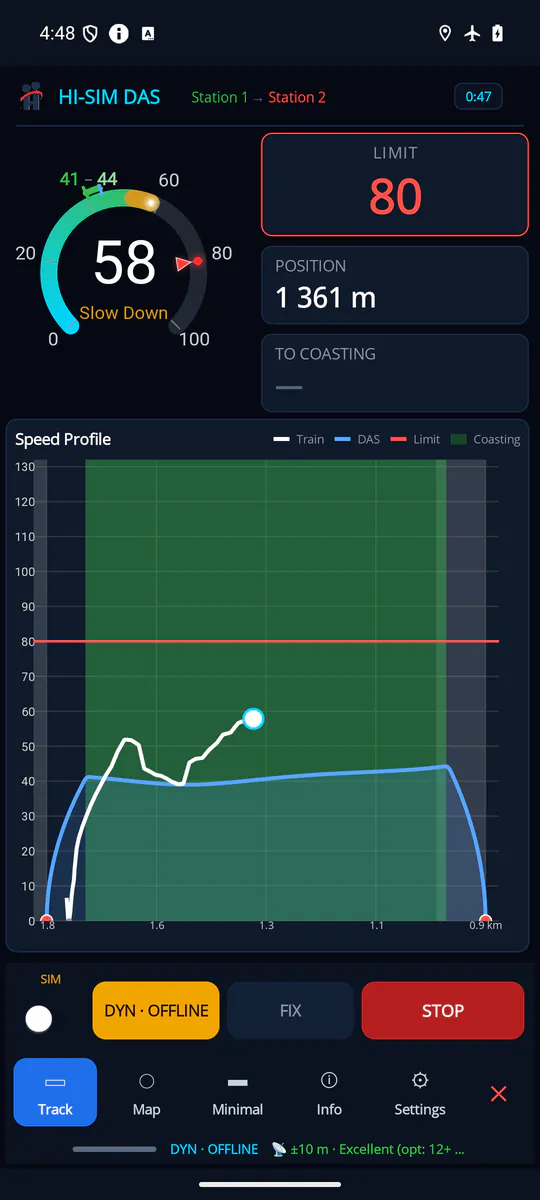
DYNAMIC · OFFLINE local profile without a connection and the SLOW DOWN advice
Real HISIMDAS screens in simulation mode; station names and positions are placeholders.
4 · Reports
DAS reports
GPS driving logs from HISIMDAS are compared with the advised profile: adherence score (0–100), time in band, coasting compliance, on-time arrival, smoothness and energy waste; per trip, driver and line.
Hi-SimTrain optimisation: representative example simulation; not real operating data.
Adherence score 0–100Time in bandCoasting complianceOn-time arrivalSmoothnessEnergy waste